A good toolkit is not just a collection of tools. It is a system that helps you work through tasks properly.
Many people build a toolkit by adding individual items as they need them, but the most useful toolkits are often built around the kind of work they need to support: measuring, cutting, gripping, fastening, adjusting, finishing, and protecting.
At Tolsen Tools UK, we believe a practical toolkit should make sense for the way you actually work.
Think in tasks first
Instead of asking, “What tools do I own?” it is often better to ask, “What tasks do I need to complete?”
Most jobs involve a series of actions. You measure. You mark. You cut. You grip. You fasten. You adjust. You check. Thinking this way helps you build a toolkit that is more useful, more balanced, and less cluttered.
Measure and mark
Almost every job starts with accuracy. Measuring and marking tools help you plan, position, and prepare before committing to the work.
Tape measures, levels, squares, and marking tools form an essential part of any task-based toolkit because they support the decisions made before the job begins.
Cut and prepare
Cutting tools help shape materials and prepare them for use. Whether it is trimming, opening, scoring, or cutting, this category is about control and precision.
A toolkit that includes reliable cutting tools allows you to move from planning to action with confidence.
Grip, hold, and adjust
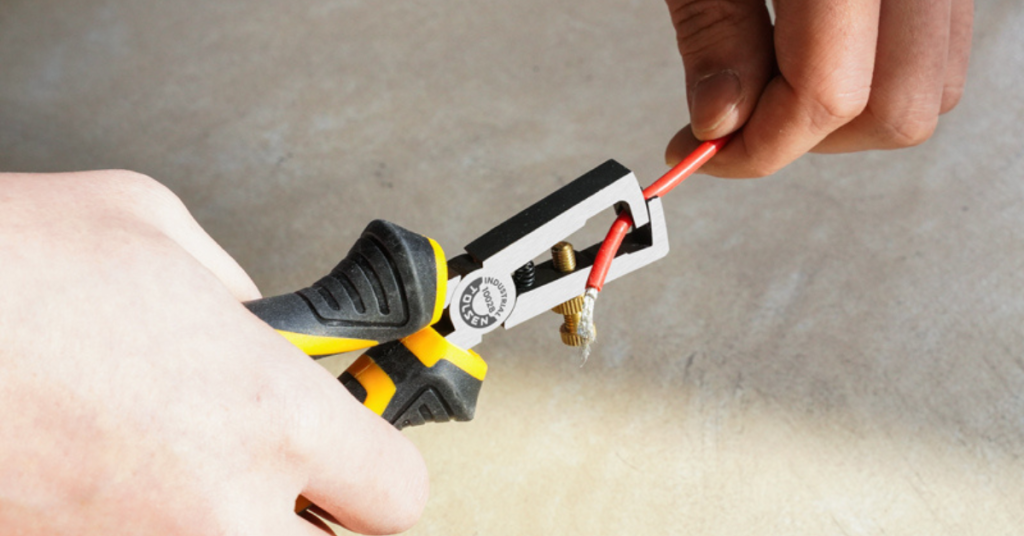
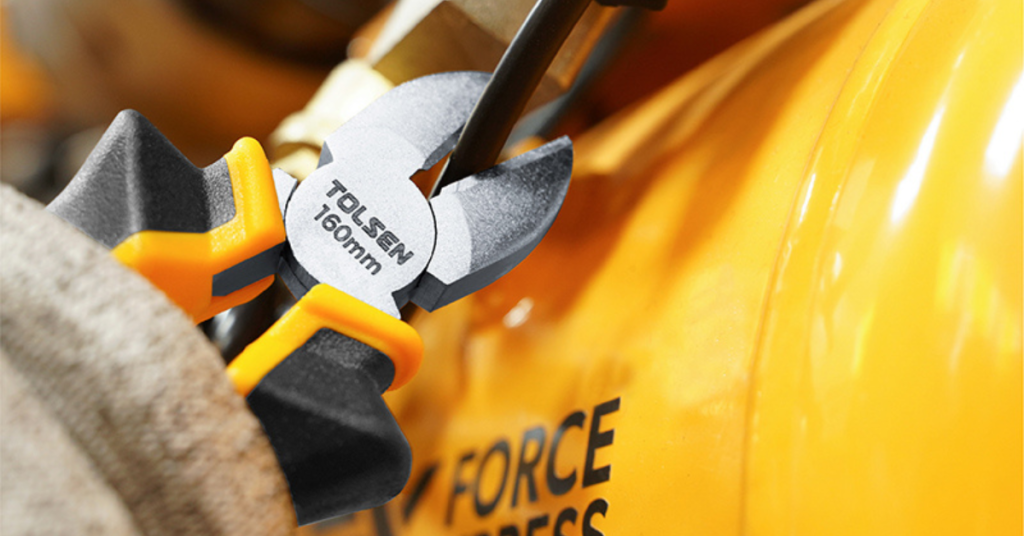
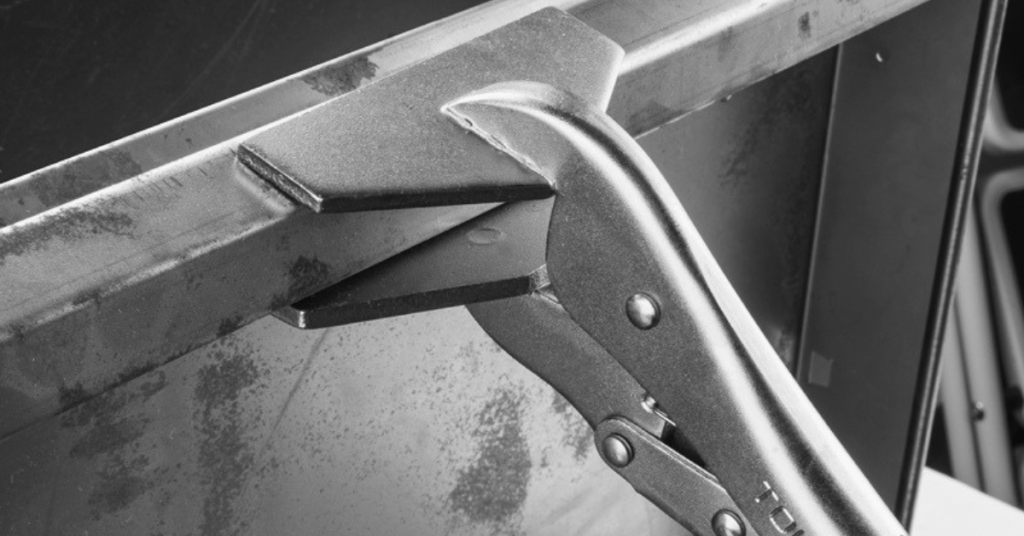
Many jobs require holding materials steady, gripping firmly, or making small adjustments. Pliers, clamps, adjustable wrenches, and similar tools give you control over movement and positioning.
These tools are not always the most noticeable, but they are often the ones that make a job manageable.
Fasten and secure
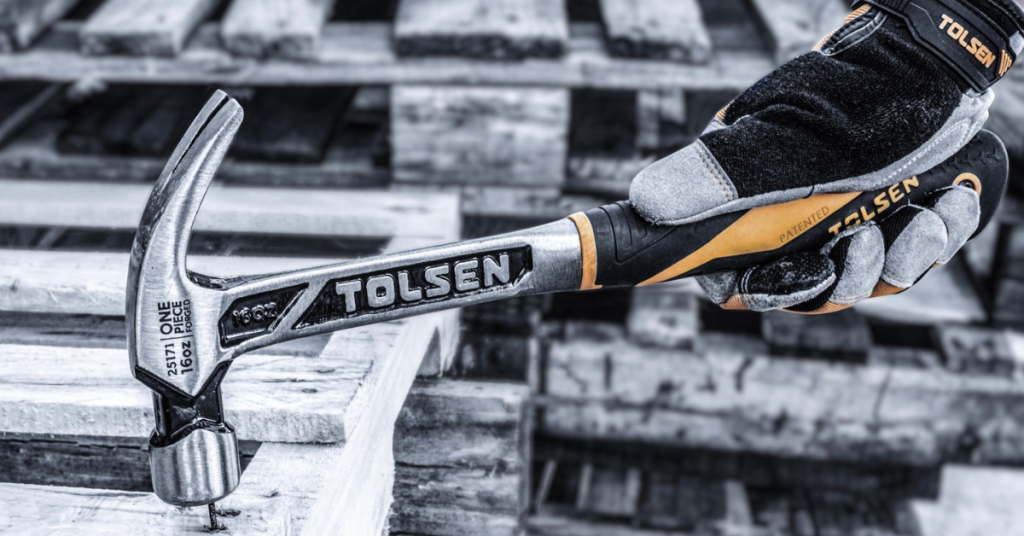
Once parts are ready, they need to be fixed, tightened, or secured. Screwdrivers, spanners, hex keys, and fastening tools help bring everything together correctly.
This category is central to both DIY and professional work, because secure fixing affects safety, durability, and the final finish.
Finish and protect
A toolkit should also support the final stages of a job. This may include checking alignment, cleaning edges, making final adjustments, or using safety gear to protect yourself during the process.
Finishing is where a job becomes complete, and the right tools help ensure the result feels neat, secure, and properly done.